Roots Reggae
I have chosen Roots Reggae as my genre of choice for this task as it is a genre I am not very knowledgable in and I just think it's important(especially for tasks like this)to explore something that is out of my comfort zone so I learn something new. I've always known about reggae but I don't have any knowledge about it outside of the most popular artists and even then its still very little.
The Jamaican accent is a key part to all most any genre of reggae and this is definitely evident in roots reggaes most popular artists such as Bob Marley, Burning Spear, Peter Tosh and Bunny Wailer. Roots reggae also incorporates a lot of off beats into its music giving it an instantly recognisable feel as you can instantly tell a reggae song from any other type of music. A piano or clean guitar is generally used for this off beat giving the music a jumpy feel. The bass of reggae songs is generally just a repeating riff that drives the song whilst the percussion and guitar/keys will fill in the gaps.

Reggae performers generally didn't really dress up for a show meaning they were generally quite casual sporting simple day to day outfits or the classic black, yellow, green and red colour scheme which Rastafarians have become known for. This all gave a very laid back feel to the artists which goes along quite well with the relaxed nature of the music and vibe at a reggae concert. The audience I imagine would've been wearing similar outfits to the performers wearing baggy shirts and trousers. One of the most iconic items associated with reggae is probably the rastacap or tam which if you watch any of the old 70s reggae performances, you could probably guarantee to see at least one.
Reggae used standard band instruments such as guitars, drums and keys but all of the experimenting either came from having a completely different rhythm to the music of the 70s and 80s or the effects they were using differently from rock artists to add to their songs. A lot of big spring reverb sounds were used to create even more bounce to the already syncopated music as well as delays playing at different rhythms to create layers. Synths were also incorporated into the genre at first being there for melodies in the 70s but then by the 80s synths had basically replaced the piano as the guitars partner.
A lot of reggae artists stuck to their roots and didn't really attempt to enter the mainstream, whereas someone like Bob Marley promoted and presented his albums and image how a rock group would have. He was the person who brought reggae to light in western countries and this is largely because he made himself as accessible to everyone in a time where black people weren't necessarily getting the attention they deserved in the media, using the aesthetic of a normal rock band to make the people more comfortable with their reggae sound which was new to a lot of countries Bob Marley was popular in. Despite this a lot of other reggae artists would consider someone like Bob Marley to be going against his music and culture almost, branching out from its Jamaican roots and distorting what reggae stood for.
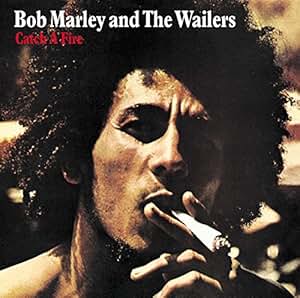
As I said before reggae was well known for its links to cannabis and it wasn't uncommon to find audience members smoking at concerts as well performers. This linked with reggaes slow dancing and relaxed vibe created an atmosphere that was probably quite a unique and memorable experience. The off beat guitars mixed with the repetitive bass lines would either get you swaying to the music or dancing and I feel like the influence of marijuana would've made this sort of rhythm even more encapsulating.

No comments:
Post a Comment